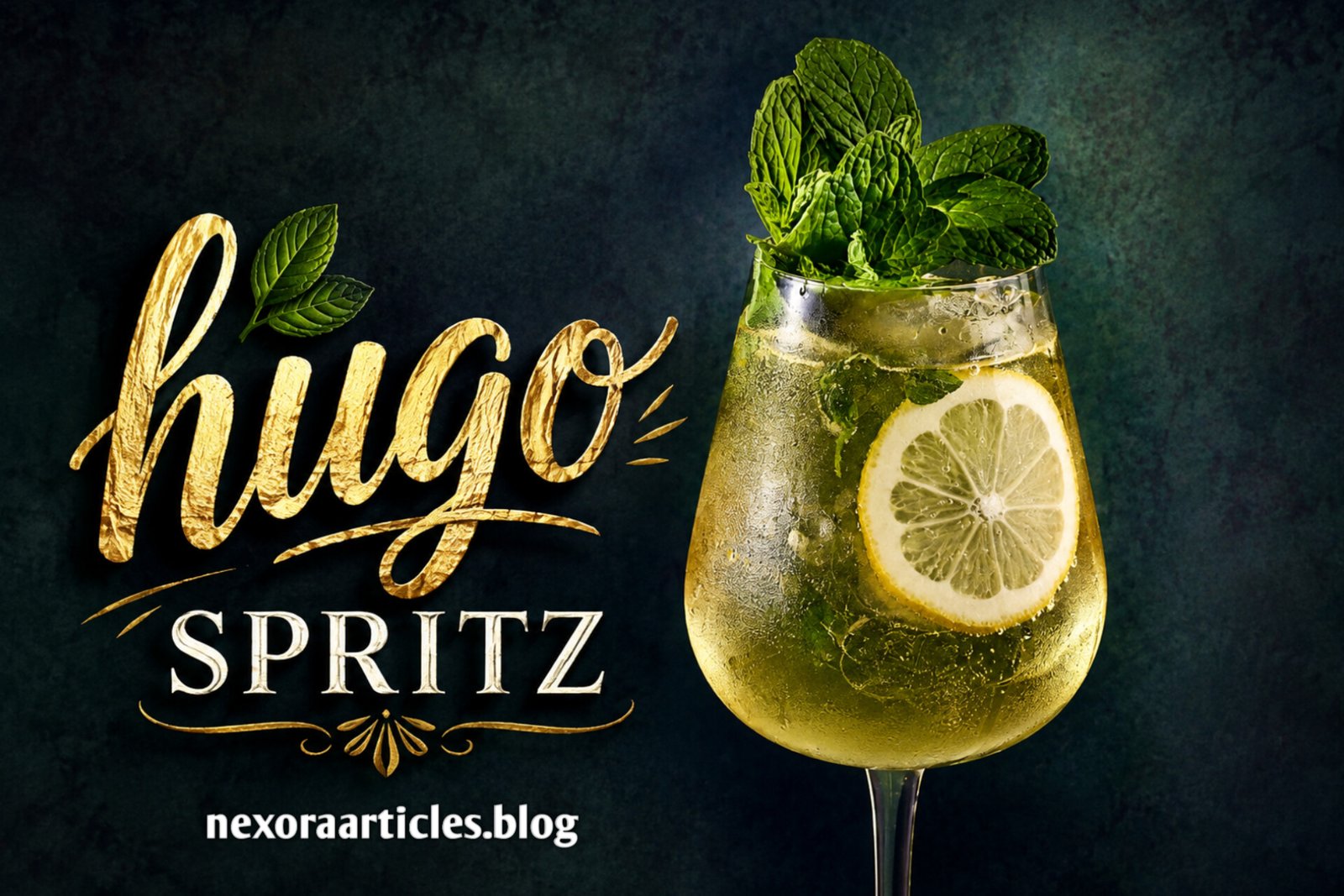
Hugo Spritz:
The Hugo Spritz is a light, floral cocktail that has become a favorite for warm-weather gatherings, relaxed dinners, and aperitivo hour. Unlike the bitter profile of an Aperol Spritz, the Hugo Spritz gets its character from elderflower, fresh mint, lime, sparkling wine, and soda water.
What makes this drink appealing is its balance. It is bubbly without being heavy, sweet without tasting like a dessert, and refreshing enough to serve on a hot afternoon.
The good news is that you do not need professional bartending skills to make one. With a few simple ingredients and plenty of ice, you can prepare a Hugo Spritz at home in minutes.
What Is a Hugo Spritz?
A Hugo Spritz is a sparkling cocktail traditionally made with elderflower syrup or elderflower liqueur, Prosecco, soda water, fresh mint, and lime. It is generally served over ice in a large wine glass or similar stemmed glass.
The drink is closely associated with northern Italy and the South Tyrol region. It was created as a refreshing alternative to more bitter Italian spritzes and has since become popular far beyond its original home.
The combination is simple, but each ingredient has a purpose. Elderflower provides floral sweetness, Prosecco adds bubbles and fruitiness, soda lightens the drink, while mint and lime bring freshness.
What Does a Hugo Spritz Taste Like?
A Hugo Spritz tastes crisp, floral, citrusy, and lightly sweet. The elderflower gives it a delicate aromatic quality, while mint adds a cool herbal note.
The lime prevents the sweetness from becoming overwhelming. Meanwhile, Prosecco contributes gentle fruit flavors and carbonation.
Compared with an Aperol Spritz, a Hugo Spritz is usually less bitter and more floral. That makes it particularly appealing to people who prefer lighter, sweeter cocktails.
Hugo Spritz Ingredients
One reason this cocktail is so easy to make is that the ingredient list is short.
Classic Hugo Spritz Ingredients
For one serving, you will typically need:
4 ounces Prosecco
1 ounce elderflower liqueur or elderflower syrup
1 ounce soda water
Fresh mint leaves
1–2 lime wedges or a small amount of fresh lime juice
Plenty of ice
Lime wheel or mint sprig for garnish
The exact proportions can vary. Some versions use more elderflower for a sweeter drink, while others increase the soda water for a lighter result.
Prosecco
Prosecco forms the sparkling base of the cocktail. You do not need an expensive bottle, but choosing a decent dry or extra-dry Prosecco can make a noticeable difference.
Avoid using a very sweet sparkling wine if you are already adding elderflower syrup. Too much sweetness can make the finished drink feel flat.
Elderflower
Elderflower is the ingredient that gives a Hugo Spritz its signature flavor.
You can use elderflower liqueur for a more alcoholic, aromatic cocktail or elderflower syrup for a sweeter, lower-alcohol version. The choice depends on how strong and sweet you want the drink to be.
Fresh Mint
Fresh mint is more than decoration. Gently releasing the oils from the leaves helps bring a cool herbal aroma to the cocktail.
Do not crush the mint aggressively. A light slap between your hands or gentle press is usually enough.
Lime
Fresh lime adds acidity and keeps the cocktail balanced. It also works beautifully with elderflower and mint.
Freshly squeezed lime is preferable to bottled lime juice because it generally has a brighter flavor.
How to Make a Hugo Spritz
Making a Hugo Spritz is straightforward and requires no complicated equipment.
Fill the Glass With Ice
Choose a large wine glass and fill it generously with ice.
A well-chilled drink is part of the appeal of a spritz, so do not be afraid to use plenty of ice.
Add Mint and Lime
Add a few fresh mint leaves and lime wedges to the glass.
If you want more mint flavor, gently press the leaves against the side of the glass. Avoid turning them into a paste, since over-muddled mint can produce an overly intense or bitter herbal taste.
Add Elderflower
Pour in the elderflower liqueur or syrup.
If this is your first time making the cocktail, start with a moderate amount. You can always add a little more sweetness later.
Pour in the Prosecco
Slowly add the chilled Prosecco.
Pouring carefully helps preserve the carbonation and gives you room to add the remaining ingredients without creating excessive foam.
Add Soda Water
Top the drink with soda water.
Give the cocktail one gentle stir. Avoid vigorous mixing because you do not want to lose the bubbles.
Garnish and Serve
Finish with a fresh mint sprig and lime wheel.
Serve immediately while the drink is cold and sparkling.
Easy Hugo Spritz Recipe
For a simple starting formula, use:
4 oz Prosecco + 1 oz elderflower + 1 oz soda water + fresh mint + lime + ice
Add everything directly to a large wine glass, stir gently, and garnish.
This ratio is flexible. If the cocktail tastes too sweet, increase the soda or lime. If it tastes too dry, add a little more elderflower.
Elderflower Liqueur vs. Elderflower Syrup
Choosing between elderflower liqueur and syrup can change the character of the drink.
Elderflower liqueur adds alcohol along with floral sweetness. It is a good choice when you want a more traditional cocktail-style Hugo Spritz.
Elderflower syrup usually adds sweetness without the same alcoholic contribution. It can work well for a lighter drink or when you want greater control over the cocktail’s strength.
Neither option is automatically better. The right choice depends on the recipe and the occasion.
How to Make a Less Sweet Hugo Spritz
If your Hugo Spritz tastes too sweet, there are several easy fixes.
First, reduce the elderflower ingredient. You can also choose a drier Prosecco and add more soda water.
Fresh lime is another useful tool. A small increase in acidity can make the cocktail taste significantly more balanced without changing its basic character.
The goal is not to eliminate sweetness completely. Elderflower is part of what makes a Hugo Spritz recognizable.
How to Make a Stronger Hugo Spritz
For a stronger version, use elderflower liqueur rather than syrup and keep the soda water modest.
You can also slightly increase the amount of elderflower liqueur, but be careful. Adding too much can overpower the Prosecco and make the drink noticeably sweeter at the same time.
A good spritz should still taste refreshing rather than like a glass of straight liqueur topped with bubbles.
Hugo Spritz Variations to Try
The classic recipe is excellent on its own, but it is also easy to customize.
Berry Hugo Spritz
Add a few fresh raspberries, strawberries, or blueberries to the glass.
The berries add color and subtle fruitiness while pairing naturally with elderflower.
Cucumber Hugo Spritz
Thin slices of cucumber create an especially refreshing variation.
This version works well for summer lunches, garden parties, and outdoor gatherings.
Lemon Hugo Spritz
Replace some or all of the lime with fresh lemon.
Lemon creates a slightly sharper citrus profile and can be useful if you prefer a brighter, less sweet cocktail.
Ginger Hugo Spritz
A small amount of ginger syrup or ginger-flavored soda can add gentle spice.
Use it sparingly because strong ginger can quickly dominate the delicate elderflower and mint flavors.
Non-Alcoholic Hugo Spritz
You can make a zero-alcohol version by replacing Prosecco with a non-alcoholic sparkling wine or another suitable sparkling beverage.
Combine it with elderflower syrup, soda water, lime, mint, and ice. The result will not be identical to the traditional cocktail, but it can preserve the floral, citrusy, and sparkling character.
Common Hugo Spritz Mistakes
A few small mistakes can make a big difference.
Using Too Much Elderflower
Elderflower is aromatic and sweet. Adding too much can overpower the rest of the drink.
Start conservatively and adjust after tasting.
Skipping Fresh Mint
Mint is one of the defining ingredients. Dried mint is not a good substitute because it does not provide the same fresh aroma or appearance.
Using Warm Ingredients
Prosecco, soda, and glassware should ideally be chilled before preparation.
Warm ingredients require more ice to cool the drink, which can lead to excessive dilution.
Over-Stirring
A spritz is supposed to be sparkling. Stirring aggressively removes carbonation.
One or two gentle movements are enough to combine the ingredients.
Using Too Little Ice
It may seem counterintuitive, but more ice can actually help maintain a cold drink. A glass filled with ice melts more slowly than a drink containing only a few cubes because the liquid has less direct contact with warm air and glass.
What Food Goes Well With a Hugo Spritz?
The Hugo Spritz is naturally suited to light foods and aperitivo-style dishes.
Try serving it with:
Bruschetta
Fresh salads
Cheese boards
Olives
Prosciutto
Seafood
Grilled vegetables
Light pasta dishes
Fresh fruit
Small sandwiches
The cocktail’s floral and citrus notes can complement salty and savory foods particularly well.
For a casual gathering, a platter of cheese, cured meats, olives, crackers, and fresh fruit is an easy pairing.
When Should You Serve a Hugo Spritz?
There is no strict rule about when to drink one, but the cocktail is especially suited to aperitivo hour.
It works well before dinner, at brunch-style gatherings, during summer celebrations, or whenever you want a refreshing sparkling cocktail.
Because it is relatively light and easy to prepare, it is also a practical choice for entertaining. You can prepare the garnishes in advance and assemble each drink when guests arrive.
Can You Make Hugo Spritz Ahead of Time?
It is better to prepare individual Hugo Spritz cocktails shortly before serving.
The elderflower, lime, mint, and other ingredients can be prepared ahead of time, but adding the Prosecco and soda too early will cause the drink to lose carbonation.
For a party, keep the sparkling ingredients chilled and set up a simple serving station with ice, mint, lime, elderflower, and glasses.
That approach allows guests to enjoy freshly mixed drinks without requiring complicated preparation.
Hugo Spritz vs. Aperol Spritz
The two cocktails share the same broad spritz concept, but their flavors are quite different.
| Feature | Hugo Spritz | Aperol Spritz |
|---|---|---|
| Main flavor | Elderflower and mint | Bitter orange and herbs |
| Sweetness | Floral and lightly sweet | Bittersweet |
| Citrus | Usually lime | Usually orange |
| Fresh herbs | Mint | Typically none |
| Base | Prosecco | Prosecco |
| Soda water | Common | Common |
| Overall character | Light, floral, refreshing | Bitter, citrusy, more robust |
If you enjoy floral, minty drinks, the Hugo Spritz may be the better choice. If you prefer bitter citrus flavors, an Aperol Spritz may suit your palate more closely.
Tips for Making the Best Hugo Spritz at Home
The best results usually come from focusing on balance rather than following one rigid formula.
Use fresh mint and lime, chill your sparkling ingredients, and avoid drowning the cocktail in syrup. Quality matters, but you do not need premium ingredients across the board.
Most importantly, taste and adjust. If the drink is too sweet, add soda or lime. If it is too sharp, add a small amount of elderflower. If it feels weak, adjust the proportions rather than simply adding more of every ingredient.
A good Hugo Spritz should be cold, bubbly, aromatic, and refreshing.
Conclusion
The Hugo Spritz succeeds because it keeps things simple. Sparkling wine provides the bubbles, elderflower brings floral sweetness, mint adds freshness, and lime supplies the acidity needed to keep everything balanced.
Once you understand the basic proportions, the recipe becomes easy to personalize. Make it lighter with extra soda, sharper with more lime, sweeter with additional elderflower, or more interesting with berries, cucumber, lemon, or ginger.
For a quick summer cocktail, an aperitivo before dinner, or a relaxed drink with friends, the Hugo Spritz is an approachable option that looks impressive without requiring complicated techniques. Keep the ingredients cold, use fresh garnishes, and adjust the balance to your taste—and you have everything needed to make a refreshing Hugo Spritz at home.
Visit also : nexoraarticles.blog
What is a Hugo Spritz made of?
A traditional Hugo Spritz is made with Prosecco, elderflower, soda water, fresh mint, lime, and ice. Elderflower may come in the form of liqueur or syrup.
Is a Hugo Spritz sweet?
A Hugo Spritz is usually lightly to moderately sweet because of the elderflower ingredient. The sweetness can be adjusted with soda water, lime, and the amount of elderflower used.
What alcohol is in a Hugo Spritz?
The traditional cocktail gets alcohol primarily from Prosecco and, depending on the recipe, elderflower liqueur. A version made with elderflower syrup instead of liqueur will have less alcohol.
Can I make a Hugo Spritz without Prosecco?
Yes. A non-alcoholic sparkling wine or another sparkling beverage can be used to create a non-alcoholic variation. The flavor will differ from the traditional version.
Is Hugo Spritz the same as Aperol Spritz?
No. Both are sparkling spritz cocktails, but they have different flavor profiles. Hugo Spritz is floral, minty, and citrusy, while Aperol Spritz has a more pronounced bitter-orange character.
What glass should I use for a Hugo Spritz?
A large wine glass is a popular choice because it provides enough room for ice, mint, lime, and sparkling ingredients. A large stemmed glass also makes the drink easy to garnish and serve.
Can I use lemon instead of lime?
Yes. Lemon works well as an alternative to lime and creates a slightly different citrus profile. Fresh juice is preferable for the brightest flavor.
How do I stop a Hugo Spritz from becoming watery?
Start with chilled ingredients and use plenty of ice. Prepare the drink immediately before serving and avoid leaving it sitting for a long period.