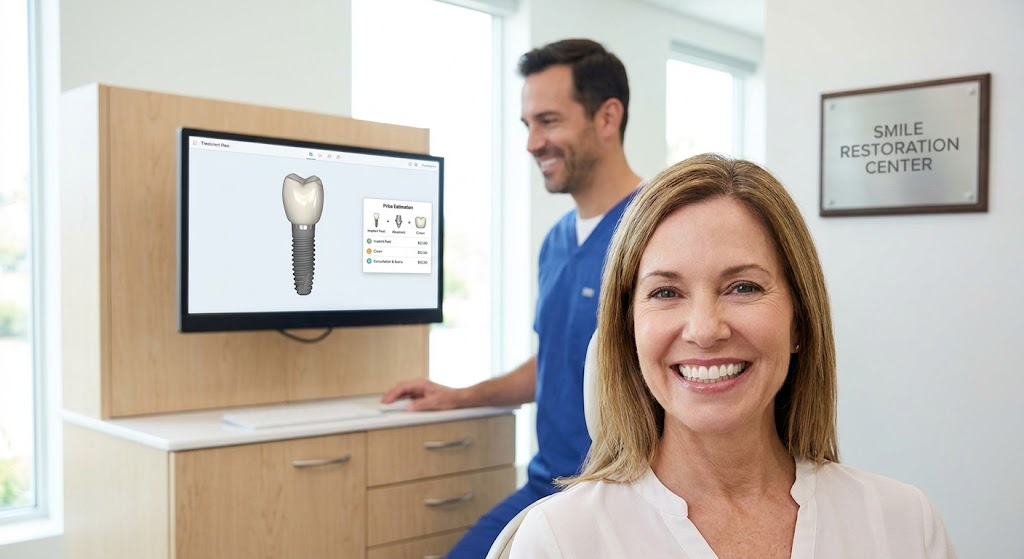
Losing a tooth can make it hard to eat your favorite foods or feel confident when you smile. Many people look into artificial teeth to fix this problem. When researching options, the very first thing most people want to know is the dental implants cost. It is a big decision, and understanding the prices helps you plan better. Think of it as an investment in your health. A strong tooth root replacement lets you bite into crunchy apples and laugh without worry. Let us look at what you can expect to pay and why prices vary so much between different dental offices.
What is a Dental Implant?
Before talking about money, it helps to know what an implant actually is. A dental implant is a tiny metal post that a dentist places inside your jawbone. This post acts like the root of a natural tooth. Over a few months, your bone grows around the metal to lock it firmly in place. Next, a small connector piece called an abutment goes on top. Finally, a custom-made crown is attached to look just like a real tooth. Because it has multiple parts, the total dental implants cost covers more than just a single piece of hardware.
Breaking Down the Base Price
When you ask a clinic about the dental implants cost, they might quote you just for the metal post. However, a complete treatment requires three main components: the fixture, the abutment, and the visible crown. Economy or basic implant systems are usually cheaper upfront. Mid-range brands offer a great balance of quality and price. Premium international brands cost more because they have decades of research behind them. Always ask your dentist if your quote includes all three parts so you do not get surprised later.
Why Prices Change From Person to Person
No two mouths are exactly alike, which is why the dental implants cost changes for every patient. If you have strong, thick jawbone tissue, your procedure will be straightforward. If you have lived with a missing tooth for a long time, your bone might have shrunk. In that case, you may need an extra procedure like a bone graft before getting an implant. Extra steps like bone grafts or sinus lifts add extra fees to your final bill. Your overall oral health dictates the final roadmap.
The Role of Dentist Expertise
The person doing your surgery plays a huge role in the final dental implants cost. General dentists might charge less, while specialized implantologists or oral surgeons may charge higher fees. This higher fee usually reflects years of extra training, specialized skills, and a track record of safe procedures. Choosing an experienced expert lowers your risk of complications. When it comes to surgery near nerves and bone, paying a little extra for high expertise is often the safest and smartest choice.
Location and Clinic Setup Impact
Where your clinic is located also shifts the dental implants cost. Clinics in big metropolitan cities often have higher rent and operating expenses, which can affect their pricing. However, big city clinics are also more likely to have advanced 3D imaging technology right on-site. This technology helps the doctor plan your surgery with incredible accuracy. A clinic with modern digital tools makes the whole process smoother, even if it changes the price tag slightly compared to an older facility.
Comparing Implants to Other Choices
When looking at the dental implants cost, it helps to compare them to old-fashioned bridges or removable dentures. Dentures cost much less upfront, but they can slip around and need replacing every few years. Bridges require filing down healthy neighboring teeth for support. Implants stand entirely on their own and can last for decades, often for the rest of your life. While the starting price is higher, implants rarely need replacement, making them a great long-term value.
Hidden Fees to Watch Out For
To avoid budget stress, you must understand all parts of the dental implants cost. Some low initial quotes leave out important steps. You should always ask if your estimate covers initial consultations, digital X-rays, 3D scans, local anesthesia, and follow-up checks. Getting a complete, written treatment plan before any work begins ensures you know every single expense. Honest dental offices are always happy to lay out all costs clearly without hiding anything.
Tips for Managing Your Dental Budget
Planning for the dental implants cost requires a bit of smart saving. Because implants take several months to complete, you rarely have to pay the entire amount all on day one. Many clinics let you pay in stages as each phase of the treatment happens. You can also ask about monthly payment plans or dental financing options if available. Breaking payments into smaller chunks makes getting a healthy, permanent smile much easier on your wallet.
Complete Biography & Price Overview Table
| Treatment Component | What It Involves | Estimated Market Range |
| Initial Consultation & Scans | 3D imaging, digital X-rays, and treatment planning | Varies by clinic (sometimes bundled) |
| Standard Implant Post | The titanium screw placed in the bone | Mid-range to premium options |
| Bone Grafting (If Needed) | Rebuilding lost jawbone before surgery | Separate surgical fee |
| Abutment | The connector piece between post and crown | Often part of the package |
| Final Tooth Crown | The custom visible tooth made of zirconia or porcelain | Varies by material choice |
Conclusion
Navigating the dental implants cost may feel overwhelming at first, but breaking down the details makes it simple. While they require a larger upfront investment than dentures, their durability, natural look, and jawbone protection make them totally worth it. Always talk to a trusted dental professional to get an accurate, written quote tailored to your unique smile. Are you ready to take the first step toward restoring your confident smile today?
Frequently Asked Questions (FAQs)
1. Why is the dental implants cost so high?
Implants cost more because they are complex medical procedures. They require high-grade titanium materials, advanced 3D imaging, surgical expertise, and custom-crafted crowns that mimic real teeth.
2. Do cheap dental implants work just as well?
Some budget options work fine, but extremely cheap deals may leave out vital parts like the abutment or crown. Always check what components and brand quality are included in the price.
3. Can I pay for my dental implants over time?
Yes! Because the implant process takes a few months, many dental clinics allow patients to pay in installments as each phase of the treatment is completed.
4. Are extra procedures always required?
Not always. If you have thick, healthy jawbone tissue and no gum disease, you can skip extra steps like bone grafting and save on the overall dental implants cost.
5. How long do dental implants last?
With good daily brushing, flossing, and regular dental checkups, a dental implant can easily last for several decades or even a lifetime, making them a great long-term value.
6. What should I ask my dentist during my first visit?
Always ask for a total written estimate that covers the post, abutment, crown, scans, and any potential follow-up visits so you avoid unexpected fees.